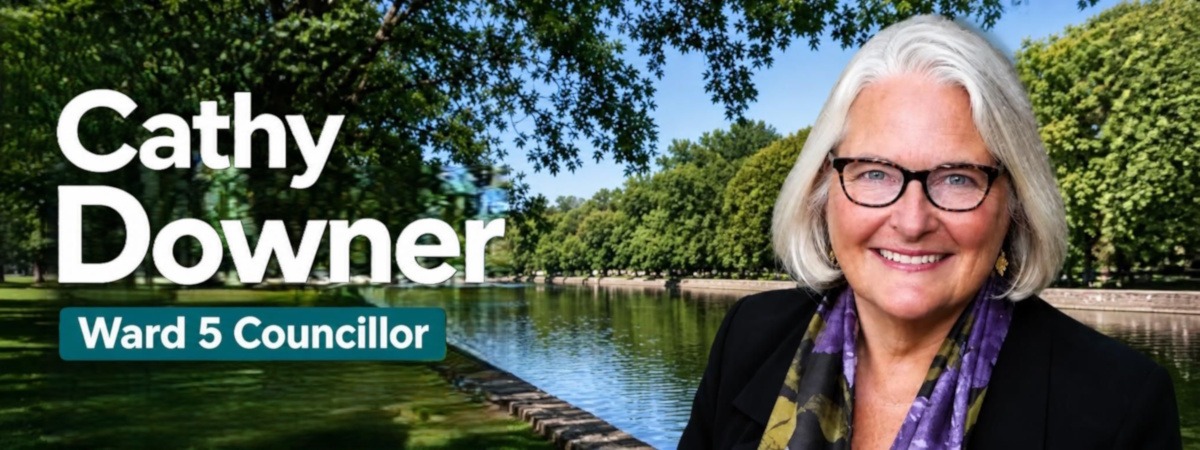
As I meet with residents across Ward 5, I’m hearing about what matters most to them—concerns about our infrastructure, the impacts of growth, affordability, and the well-being of our most vulnerable residents. Of course, I also hear about the things people love about Guelph!
As your Ward 5 Councillor, I am committed to listening, bringing people together and making decisions that reflect what matters most to our community.
 Our shared spaces
Keeping our parks, roads, trails, sidewalks, trees and buildings well-maintained and ready to serve our community for years to come.
 Our neighbourhoods
Supporting safe, connected communities where everyone feels welcome and has access to the services and supports they need.
 Our finances
Making wise investments, balancing today’s priorities with tomorrow’s needs and ensuring every dollar delivers value.
 Our future
Planning responsibly for growth, protecting our environment, and building a strong future for the next generation.
This will be a living page that I’ll update regularly. I will talk about what I hear matters most to you, answer the questions you are asking at the door, and share my responses to questionnaires from local organizations and news outlets. I’ll highlight both the challenges we face and the positive things happening in our community.
What matters most to you?
Email: cathy@cathydowner.ca
Phone: 519-829-5912
The Challenge
Infrastructure is more than roads and pipes. It is the parks we enjoy, the trails we walk, the trees that shade our streets, the buildings where we gather, and the roads, sidewalks and services that connect our community.
Guelph is growing while much of our infrastructure is aging. Construction costs have increased, and growth is creating additional demands. The challenge is to take care of what we have, keep pace with growth and make wise investments in the infrastructure our community will need in the future.
What I Championed
Improving parks and public spaces
Worked with local residents on Dovercliffe Park renewal and supported upgrades at University Village, Crane Park, and other Ward 5 parks.
Connecting neighbourhoods and parks
Supported trails and active transportation that connect neighbourhoods, parks, and public spaces.
Investing in community facilities
Played a leadership role in the new Guelph Public Library and Baker Street District, and supported the South End Community Centre and other important facilities.
Upgrading roads and transportation
Advanced improvements to Gordon Street and College Avenue, and other road, sidewalk, bridge, and intersection renewal.
Supporting better winter maintenance
Advocated for and supported the Council motion calling for a review of winter snow-clearing practices, with a focus on safety, accessibility, and service levels.
Protecting trees and our urban forest
Collaborated with residents and Council to bring forward the new Tree Protection Bylaw to increase protection of Guelph’s tree canopy.
Renewing water and wastewater systems
Supported aging infrastructure renewal and advocated for action on water quality issues, including around University Avenue.
Supporting community initiatives
Promoted neighbourhood led community gardens, outdoor rinks along with playing fields and courts that bring people together, support local food, and create accessible recreation opportunities close to home.
What I will push for
Prioritize maintenance and renewal
Take care of what we have first, before problems become more expensive to fix.
Plan for growth proactively
Ensure infrastructure keeps pace with new development and changing community needs.
Invest across all neighbourhoods
Invest in parks, trails, playgrounds, trees, buildings, sidewalks, rinks, gardens, and roads, not just major infrastructure projects.
Make decisions based on evidence
Base priorities on condition, safety, need, usage, and community benefit.
Coordinate infrastructure work
Combine projects where possible to reduce disruption and maximize value for every investment.
Continue working with residents
Build on the collaborative approach used at Dovercliffe Park and apply it consistently across Ward 5 parks, trails, and public spaces.
Fund the Tree Protection Bylaw
Ensure the bylaw has the staff, resources, and enforcement capacity required to be effective.
The Bottom Line
If we take care of what we have and invest wisely for the future, we can build neighbourhoods that stay strong, connected, and livable for generations to come.
The Challenge
Guelph is facing rising costs from inflation, increasing service demands, and provincial funding that has not kept pace. Changes to development charges have made it harder to ensure growth pays its fair share of new infrastructure. Strong Mayor powers have changed how decisions are made, giving the Mayor greater authority over key budget and policy decisions and limiting the direct influence individual Councillors can have.
What We Are Doing
Finding savings
Reviewing programs and services to make sure we are getting good value for every dollar.
Using partnerships
Working with developers to share upfront costs and move needed infrastructure forward.
Finding funding
Pursuing every available federal and provincial grant and advocating for greater investment in Guelph. The recent $34 million investment in wastewater infrastructure is a strong example of securing outside funding for major infrastructure needs.
Prioritizing projects
Deferring or re-sequencing projects, when necessary, to manage costs and protect affordability.
Protecting our AAA credit rating
Guelph is one of a small number of municipalities with the highest possible credit rating, reflecting strong financial management and responsible borrowing.
What I Will Push For
A fairer deal from the province
When the province adds responsibilities or costs, municipalities need sustainable funding to go with them.
Growth should pay its fair share
Work with the province to restore municipalities’ ability to recover more of the infrastructure costs created by growth.
Fix problems before they get more expensive
Invest in roads, facilities and other infrastructure before deferred maintenance becomes a much bigger bill.
Share costs where it makes sense
Explore more joint purchasing and shared services with neighbouring municipalities.
Push for provincial responsibility for social services
Social services, housing, and homelessness are putting increasing pressure on municipal budgets. We need to push the province for sustainable funding for services that municipalities provide that are in the province’s jurisdiction and cannot be funded on property taxes alone.
Strengthen our business tax base
Keep employment lands available and development moving. A strong commercial and industrial base helps spread the tax burden and supports local jobs. We should also look for opportunities to work with the University of Guelph to attract new investment.
Connect the plan to the budget
The next Strategic Plan and Multi-Year Budget should be developed together. Every major priority should have a clear funding plan.
The Bottom Line
Guelph cannot control inflation or provincial policy. However, we can control how we spend, what we prioritize and how we plan for the future while continuing to push for a fairer deal from Queen’s Park.
The Challenge
Guelph has a large number of homes and condos for sale, and prices are coming down. We have a significant number of projects that are shovel-ready in the planning process. Yet housing remains out of reach for too many people.
Builders are holding back on new construction because projects are increasingly difficult to make work financially. At the same time, lower prices alone haven’t made homeownership or rental housing affordable for many households.
I see the core challenge as this: housing in Guelph needs to be not just available, but attainable. That means turning housing capacity and approvals into homes people can actually build and afford.
What We Are Doing
Guelph has put important policies, incentives and planning tools in place to support more housing and greater affordability.
Housing Affordability Strategy
A 10-year strategy with 30 actions to increase the supply of affordable housing and improve housing choices. Currently 29 actions are on track or completed.
Housing Accelerator Fund
$21.4 million in federal funding supporting actions to remove barriers, speed approvals, and create opportunities for more housing.
Affordable housing incentives
Grants to add affordable units, convert vacant units, and create additional dwelling units that help bridge the financial gap that often keeps affordable housing from being built.
Seed funding for non-profit housing
Helping cover early planning and development costs for affordable housing projects awarding $100,000 to four non profit organizations exploring the construction of 48 affordable homes.
City-owned land for affordable housing
Using City land and partnerships to support affordable and deeply affordable housing, like rent geared to income rental housing, reducing one of the biggest barriers: land cost.
Rental protection and stability tools
Policies and programs that protect existing rental housing, discourage unnecessary loss of rental units, and support tenant stability in a tight market.
Faster approvals through the Community Planning Permit System
A planning tool that offers faster, additional development potential when affordable housing and other benefits to the community are included in project.
Janefield is a real example
The 275-unit proposal includes 21 units at provincially defined affordable rents. Including affordable housing allowed the building to reach 14 storeys instead of 10, and the City’s review was completed in 25 days instead of the roughly 150 days the traditional process normally takes (City of Guelph).
This shows the tools we’ve built actually work when we use them.
Planning for long-term growth
Guelph’s growth planning provides the land, density, and housing capacity needed for the future, so we’re not constrained by a lack of planning permission or designated land.
What I Will Push For
Increase the range of attainable housing
Support smaller homes, townhomes, apartments, secondary suites and other housing forms that can serve households at different income levels
Get shovel-ready projects built
Prioritize moving approved, financially viable projects into construction, not just adding more to the approvals pipeline.
Make affordability a part of the equation
Keep using City land, incentives, and seed funding to secure affordable and deeply affordable units, building on what has worked.
Protect the rental housing we already have
Strengthen tools that preserve existing rental stock, even as we work to add new supply.
Measure results, not just approvals
Track how many approved and “unlocked” units actually proceed to construction, and how many are affordable or attainable.
Bottom Line
Guelph has done the work to build the tools for more housing and greater affordability, including real investments such as the federal Housing Accelerator Fund’s seed funding.
Now I want to focus on results: getting viable projects built, keeping affordability part of the deal, protecting the rental housing we have, and measuring success by homes people can actually move into, not just approvals on paper.
The Challenge
Too many people in our community are struggling to find stable housing and get the mental health and addiction supports they need. And the reality is, more people are reaching out for help every year.
These services are primarily a provincial responsibility, but municipalities are often the first point of contact when someone is in crisis. That means local governments are stepping in where the system has gaps.
Homelessness, mental health and addiction are deeply connected. You can’t solve one without addressing the others. People need housing, health care and community services working together, not in isolation.
As demands grow, so do costs to local taxpayers unless the province steps up to contribute its fair share of funding and services.
The Ontario Big City Mayors’ Solve the Crisis campaign is calling on the province to take greater responsibility for mental health, addictions, supportive housing and homelessness, and to give municipalities the tools they need to respond.
At the heart of this issue are people. People who need more than a bed for the night. They need stability, care, and a real path forward.
What We’re Doing
Investing in Housing and Homelessness Services
Guelph is already investing significantly at the local level. In 2026, Guelph’s share of Wellington County’s social services budget is approximately $35.4 million, a 22% increase over the 2025. Wellington County is the City’s mandated housing and social service provider.
Contributing to Housing Access
Wellington County owns and operates 1,264 social housing units, manages an additional 1,330, and provides rent assistance to 1,213 households.
Creating Pathways Out of Homelessness
Through partnerships, Guelph has created: 81 emergency shelter beds, 68 temporary accommodation spaces and, 96 permanent supportive housing units, along with more than 40 transitional housing units.
Reducing Youth Homelessness
Chronic youth homelessness has dropped 75% over the past three years. The City provided $320,000 for a supportive housing project with 24/7 wraparound care and on-site health services.
Funding Welcoming Streets
Welcoming Streets provides a community-based program that connects people experiencing homelessness with outreach workers, establishing relationships, and offering support in the downtown. It also helps local businesses with training and de-escalation tools so that staff feel better prepared to manage difficult situations.
Creating a Safe Place During the Day
The City funds a daytime space where people can get a meal, warm up or cool down, and connect with services. For many, it’s a first step toward getting back on their feet.
Bringing Housing and Health Together
The Housing and Health Community Planning Table brings together local partners to coordinate responses, reduce duplication, and improve access to housing and health supports.
Connecting People in Crisis to Care
The Guelph Police Service IMPACT program works with community partners to respond to people in crisis, connect them with mental health and addiction services, and reduce repeat emergency calls through coordinated intervention.
Preventing Homelessness
Guelph has also focused on prevention. Through rental supports, eviction prevention efforts, and increased rental assistance in the 2026 Budget, we’re helping more people stay housed before they reach a crisis point.
Supporting Neighbourhood-based Solutions
The Guelph Neighbourhood Support Coalition brings together residents, neighbourhood groups, and community partners to strengthen local connections and respond to needs at the community level.
What I Will Push For
Keep the Pressure On Through Solve the Crisis
Continue to promote the Ontario Big City Mayors’ Solve the Crisis campaign, and push the province to take responsibility for mental health, addiction care, and housing options.
Listen to Those Most Affected
Work closely with Wellington County and service providers to ensure people with lived experience have a voice shaping the solutions that affect their lives.
Improve Access to Basic Services
Support access to transit, public washrooms, warming and cooling spaces, food programs, and safe places where people can receive help.
Increase the Supply of Affordable and Supportive Housing
Building on recent successes, using municipal tools, partnerships, and available land, develop more deeply affordable transitional and supportive housing.
Build on the HART Hub
Advocate for continued provincial investment in local mental health and addiction services, including the new Homelessness and Addiction Recovery Treatment (HART) Hub partnership between Guelph General Hospital, Stonehenge Therapeutic Community, and the Guelph Community Health Centre, which created 8 crisis stabilization beds and 6 withdrawal management beds.
Bottom Line
Everyone needs a pathway to stable housing, access to care, and the opportunity to move forward.
Guelph will continue doing everything it can within its role to respond to homelessness, while being clear that long-term solutions require the Province to step up on the homeless and mental health crisis.
“Solve the Crisis“ https://solvethecrisis.ca
GuelphToday invited candidates to tell us a about themselves and their platform.
https://www.guelphtoday.com/2026-municipal-election-news/ward-5-cathy-downer-12776189
Ward 5: Cathy Downer
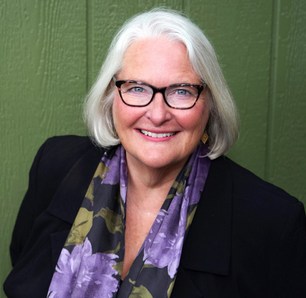
How long have you lived in Guelph?
47 years
Do you reside in the ward you are running in?
Yes. Ward 5 is where I live with my husband, Bob, and where we raised our family.
Why are you running in this election?
When I moved to Guelph, I knew I had found the community where I wanted to build my life. It was welcoming, with people who looked out for one another and a natural environment worth protecting. Those qualities still define Guelph today, and I want to help preserve them.
It has been an honour to serve, and I remain deeply committed to continuing the work of representing Ward 5 residents at City Hall. As our city grows, responsible, informed decisions are needed about infrastructure, housing, neighbourhoods, the environment and our finances. My background as a mediator has taught me how to bring people together, build consensus and find common ground, even on difficult issues..
Why should people vote for you?
Experience, continuity and a reputation as “the voice of reason.” I show up prepared, ask hard questions, and challenge assumptions. There will be many new faces on council along with a new mayor. I am a ‘bridge builder’ who works respectfully and collaboratively with others to make decisions that are in the best interest of our community. Staying connected with residents has been a priority for me through town halls in different areas of Ward 5, newsletters, neighbourhood meetings and one-on-one conversations. We are living in serious times that calls for serious, steady and experienced leadership.
What do you see as the three top issues facing Guelph residents right now?
1. Affordability and city finances
Residents are feeling the pressure of rising costs, while the City faces increasing demands for services and infrastructure. Inflation, limited provincial funding and changes to development charges have made it more difficult to ensure growth pays its fair share.
We need to set realistic expectations, scrutinize spending and continue looking for efficiencies through audits, partnerships and better ways of doing things. We also need to boldly pursue senior government funding and continue to strongly advocate for the province to pay its fair share. Protecting our AAA credit rating and investing wisely are important responsibilities. Every tax dollar matters, and residents deserve to know that Council is making careful, responsible decisions.
2. Growth, infrastructure and neighbourhood livability
Guelph needs housing, but growth must be planned carefully. Our infrastructure is aging, construction costs are rising and new development in greenfield areas and existing neighbourhoods is creating additional demands. We need to maintain what we already have while ensuring roads, parks, transit, transportation and services keep pace with growth. Housing options are needed for everyone, including the most vulnerable residents in our city.
At the same time, new development must be guided by a broader vision for complete, connected and livable neighbourhoods, with the infrastructure and services needed to support them.
3. Economic development
Economic development is an emerging challenge. Guelph needs a stronger focus on attracting new businesses and investment so that good jobs accompany residential growth. Federal and provincial governments are changing how they attract investment in this increasingly competitive and complicated world, and municipalities need to respond as well.
With a world-class university in our city, we have significant opportunities to build partnerships and support innovation. We should work more closely with the University of Guelph, Conestoga College and other community partners to strengthen our local economy, create good jobs and broaden the tax base. A strong, diverse local economy benefits everyone.
What is the most important thing you want to see changed in Guelph?
Misinformation is a growing problem for our democracy. When false or misleading claims spread, especially online, they make it harder for residents to understand the issues, evaluate competing proposals and hold elected officials accountable. Misinformation can deepen divisions, undermine trust in public institutions and discourage people from participating in civic life. It can also turn legitimate disagreements into personal attacks, making constructive discussion and compromise more difficult.
At the municipal level, residents need reliable, accessible information about decisions that affect their daily lives. The city and elected representatives have a responsibility to communicate clearly, explain the evidence behind decisions and correct inaccuracies respectfully and promptly. Residents also need to feel confident asking questions and engaging with people who hold different views. A healthy democracy depends on informed citizens, open debate and a shared commitment to facts, even when we disagree about the best path forward.
What is the most important thing you don’t want to see change in Guelph?
I don’t want us to lose the sense of community that makes Guelph special: our neighbourhoods, green spaces, trees, natural environment and the way people look out for one another. That sense of connection is one of the things I value most about Guelph, and it is part of what makes this city such a wonderful place to live, raise a family and grow older.
As Guelph changes, I want us to protect and strengthen those qualities. We should continue to invest in parks, trees and natural areas, support vibrant neighbourhoods and create opportunities for residents to connect with one another and to support the wellbeing of everyone.
Is Guelph growing too fast, just the right amount, or not fast enough?
The average projected annual growth rate needed to reach the provincial population target of 208,000 by 2051 is 1.2 per cent. We are currently growing at approximately 0.9 per cent annually, so no, Guelph is not currently growing too fast. Guelph needs to grow, but how we grow matters as much as how much we grow.
I support responsible housing and economic growth, provided they are accompanied by the infrastructure, transportation, parks, schools and services needed to make that growth work. Growth has moved further away from paying for itself in the past fours years due to new provincial legislation. This puts an extra financial burden on existing tax payers. Council will need to closely monitor the financial impacts of growth to ensure we can match services as we grow and adjust accordingly. Growth should strengthen our city and improve the quality of life for the people who already live here, as well as for those who are coming.
What makes Guelph great?
The people. Guelph has a strong sense of community, wonderful neighbourhoods, a distinctive historic downtown, a beautiful natural environment and a willingness to come together to solve problems. It is a city that cares, and that is something worth protecting. That community spirit is one of the main reasons I am proud to call Guelph home.
Any link to an election website or social media account?
Website: cathydowner.ca
Email: cathy@cathydowner.ca
Phone: 519-829-5912
Guelph Politico‘s Adam Donaldson interviews two Ward 5 candidates in this audio interview. Cathy’s portion of the interview begins at about the 34 minute mark of the audio file.
GUELPH POLITICAST #543 – Back to the 5ive (feat. Wesley Harris and Cathy Downer)
Notes from the Campaign Trail – The Chatter about Free Transit
There has been a flurry of online discussion about candidates supporting free transit and the potential cost. An important debate.
It is worth remembering that Guelph already has a number free transit programs:
- Children 5-12 ride free
- Youth 13–17: free after 5 p.m. weekdays, weekends, holidays, and all of July and August
- Seniors 65+: free every Thursday
- GO Train users: Guelph Transit is free when connecting to/from a GO Train at Guelph Central Station through Connect-to-GO.
- Low income residents can qualify for an affordable bus pass. Tier A and B are free; Tier C is capped at $37.40/month for adults, $32.30 for youth and $30.60 for seniors.
- Free bus rides to and from every Guelph Storm home game for people who have a game ticket. This is sponsored by a business.
- Free bus rides on New Year’s Eve and Canada Day. These are also sponsored by businesses.
These programs have been added over time to make transit more affordable and accessible. Several of these initiatives have been brought forward by the mayor with unanimous support.
I was recently asked in a candidate questionnaire whether I support:
Modernizing Transit: Support a free, accessible, and safe transit system with optimized routing to reduce traffic congestion and carbon emissions.
I answered ‘yes’. I support a transit system that is safe, accessible with modernized routing and better frequency and reliability. I would be surprised if anyone didn’t support that.
I also added the following comment that wasn’t published:
“We are currently doing more free transit for seniors and youth at certain times. We have the Affordable Bus pass. However, I do believe the ultimate goal is for free transit for everyone. We have an opportunity with the updated Master Plan coming to Council in 2027. I don’t believe it will be feasible in the next 4 years. It will probably take 8 to 10 years to get there. I fully support the other points. Frequency needs to be improved as well”.
Even 8 to 10 years is an estimate depending on cost, budget, sponsorships, and grants, and the priorities set through the next Transit Master Plan.
I fully support TAAG’s (Transit Active Alliance of Guelph) focus on frequency and reliability.
Along with Councillor Caton, I seconded the motion that brought forward the funding for the Speedvale higher frequency route starting in November. I have traditionally supported staying on track with our Transit Master Plan.
Bottom Line
Public transit is more than fares. It is an affordability issue, an environmental issue and, an economic issue. It connects people to jobs, school, health care, shopping, and community life. It can reduce traffic congestion, give people an alternative to owning a car, and support housing and responsible growth.
More frequent. More reliable. More people using transit.
QUESTIONNAIRE: Cathy Downer for Ward 5 City Councillor
Published September 8, 2026 by Adam A. Donaldson
Link to the survey – https://guelphpolitico.ca/2026/09/08/questionnaire-cathy-downer-for-ward-5-city-councillor/
“I am running because I believe experience matters, particularly at a time when Guelph is facing significant challenges and difficult decisions. I know how City Hall works. I know the community. And I know the importance of listening, working collaboratively and staying connected to the people I represent. Serious times call for serious, experienced leadership.”
Why do you want to be a city councillor?
When I moved to Guelph, I knew I had found the community where I wanted to build my life. It was a welcoming city with people who look out for one another, and a natural environment worth protecting—from our parks to the groundwater we rely on. These qualities still define Guelph today, and I am committed to keeping it that way.
Guelph is growing, and today’s choices will shape the city for decades. We must protect what makes our community special while planning responsibly for the future. That takes steady leadership and a long-term perspective.
I want to continue to lead the way I always have by staying connected to residents, collaborating with colleagues and community partners, and being committed to making thoughtful, sound decisions.
What is your background and experience, and how do you think that will serve you as a city Councillor?
My experience is in municipal government and in bringing people together to find solutions. In addition to serving on City Council, I have a background as a mediator, which taught me to listen carefully, understand different perspectives and find common ground. I bring that approach to Council, asking questions, doing the work and making thoughtful decisions that move our community forward.
Given Strong Mayor Powers, how do you see your role as a city councillor when the mayor can override the will of council with just three votes?
Strong Mayor powers make collaboration and relationship building even more important.
The Mayor is only required to use these powers for the City’s budget and, even then, is not required to veto Council amendments.
My background has taught me that when people disagree, the answer is not necessarily to dig in. It is to understand what is behind the disagreement, find areas of consensus and work toward a solution.
As a councillor, I would continue to stand up for what I believe is right and work collaboratively with others to move forward.
Affordability is important to a lot of voters, and municipal budgeting can be very difficult. How will you balance the needs of a growing city with the demands for low or zero tax increases over the next term?
I don’t think there is a simple answer to this. A zero-tax-increase promise sounds attractive, but residents also expect reliable roads, safe neighbourhoods, parks, recreation, transit, water and other services.
Early in the term, Council will set a Strategic Plan. This plan will need to show the funding required to implement it. We need to ask: What matters most, and what can we realistically afford?
We need to scrutinize spending, continue to look for efficiencies through audits, partnerships, boldly pursue senior-government funding and advocate strongly for the province to pay its fair share.
At the same time, we need to be realistic about inflation and the cost of maintaining the services people rely on. Affordability is not just about the tax rate. It is also about whether residents are getting good value for the money we spend.
Council this past term has done a lot of housing policy, but that hasn’t translated into more shovels in the ground. How will you help close the gap over the next four years?
We need to move from policy to implementation.
Guelph has done significant work on housing policy and has removed or changed many barriers. But approving policies does not build homes. We need to understand what is preventing approved or shovel-ready projects from moving forward.
That means working with builders and developers to understand constraints within the City’s control and advocating to the provincial and federal governments when their policies are contributing to the problem.
We need a range of housing options, including affordable and attainable homes, supported by the infrastructure required to make them work.
Aside from the demands for more housing, land use planning also means assuring that there’s enough room to account for growth in business, institutional and commercial land uses, how will you balance all these priorities?
Land use planning needs to look at the whole community. We need enough residential, employment, institutional and commercial land.
The next term will oversee an updated Employment Land Strategy. It can’t sit on the shelf. We should involve businesses in the community in the implementation of the strategy. In addition, small businesses provide significant employment opportunities and require as much attention to their needs as larger industries and institutions.
We need to ensure we are attracting new businesses. Just as the federal and provincial governments are changing how they attract investment, so should municipalities. There are significant opportunities with a world-class university located in our City. We need to better leverage this and work more closely with the University on economic development.
Water availability is a growing concern. How will you ensure that Guelph has the capacity it needs to support this growing city?
Water needs to be treated as a fundamental part of our growth strategy.
Growth approvals must be tied to water capacity from the start, with infrastructure planning, conservation, new supply and development timing working together.
I would continue to support investment in the infrastructure needed to increase capacity, while also taking conservation seriously and making sure growth is sequenced with the infrastructure required to support it.
Water shows why sustainable growth must guide every decision.
Trust in government and institutions is major issue. How will you keep your constituents well informed about city hall business, and help them feel included when it comes to decision making?
Staying connected to residents has always been a priority for me. Councillor Caron and I host regular town halls in different areas of Ward 5 so residents have an opportunity to hear what is happening at City Hall, ask questions and raise issues directly. We also send out a regular newsletter to keep people informed about Council decisions, projects and issues affecting the ward.
Communication must go both ways. It is not enough to tell residents what Council has decided; we need to listen before decisions are made and give residents meaningful opportunities to share their views.
My approach is to stay accessible, explain complex issues in plain language and show residents that their voices matter. They may not always agree with the outcome, but they should know they were heard and understand how and why decisions were made.
What would you say is *your* issue? What is the one thing you want to talk about on the campaign trail this fall and have a thorough debate about it before this election is over?
For me, it is responsible growth.
Guelph is changing. We need housing, but we also need the roads, water, transit, parks, schools, employment opportunities and other infrastructure that make a city work.
I want us to have a serious conversation about what kind of city we are building and whether our infrastructure and finances can keep pace with that growth. Growth used to pay for growth at approximately 80%. Now that is significantly lower due to several provincial decisions that have lowered development charges that cities can collect. The cost of growth does not disappear with lower fees or development charges. Those costs get added onto the everyone’s tax bill.
That connects many of the issues residents are already raising with me: affordability, taxes, housing, traffic, neighbourhood stability and infrastructure.
What perspective do you think you will bring to council that is not currently reflected?
I bring a combination of municipal experience, community connection and a thoughtful approach to decision-making. I have often been called the ‘voice of reason’ on City Council.
I have seen how City Hall works, but I also spend a lot of time listening to residents through town halls and conversations in the community.
My mediation background has shaped how I approach disagreement. I do not see every issue as something that has to produce a winner and a loser. Often, the best solutions come from careful analysis, respectful discussion and a willingness to consider different perspectives.
I think that perspective is particularly valuable at a time when there are significant pressures on Council and the community.
Is there anything else you want to tell voters as they make their decision?
I am running because I believe experience matters, particularly at a time when Guelph is facing significant challenges and difficult decisions.
I know how City Hall works. I know the community. And I know the importance of listening, working collaboratively and staying connected to the people I represent.
Serious times call for serious, experienced leadership.
website – https://cathydowner.ca
email – cathy@cathydowner.ca
Ward 5 All Candidates debate. Video starts at 11 minutes, 30 seconds.
This video contains a Candidates for Mayor debate, as well as the Ward 5 Candidates debate. The Ward 5 Candidates debate starts at 1 hour and 16 minutes.